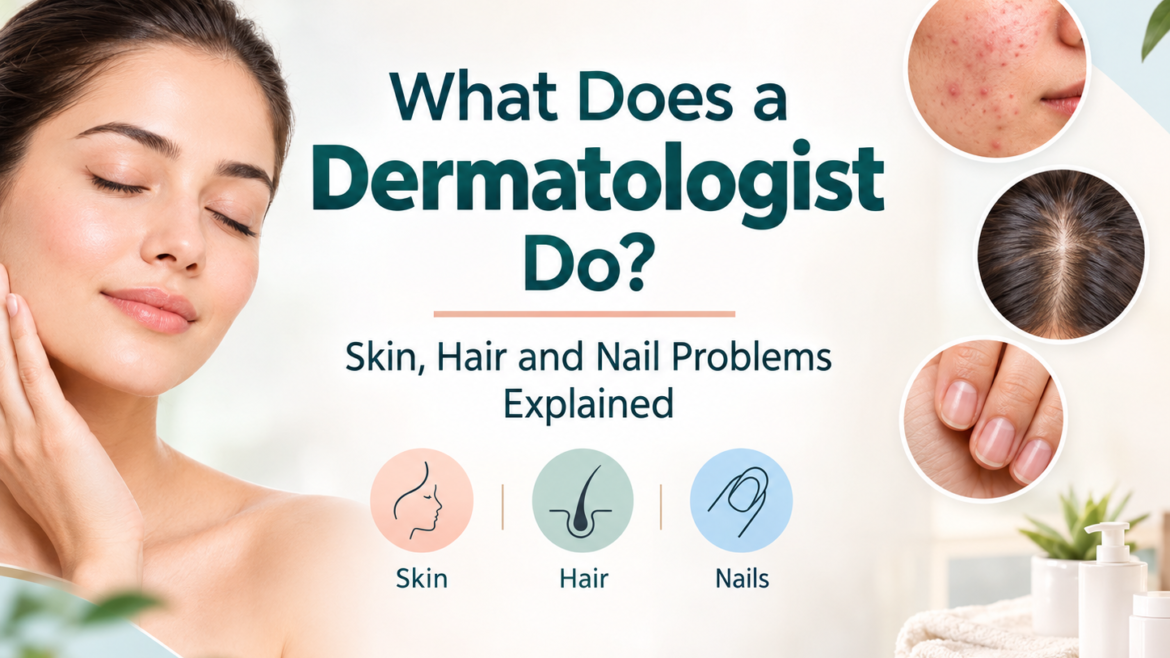
What Does a Dermatologist Do? Skin, Hair and Nail Problems Explained
Skin problems can begin with something as small as a pimple, a patch of dryness or an itchy rash. However, when symptoms persist, keep returning or begin affecting everyday life, it can be difficult to know what is causing them or which doctor to consult.
A dermatologist is a medical specialist who diagnoses and manages conditions affecting the skin, hair and nails. Understanding what a dermatologist does can help you recognise when routine skincare is enough and when professional medical advice may be needed.
What Is a Dermatologist?
A dermatologist is a doctor trained in diagnosing and treating diseases and conditions of the skin, hair and nails. Dermatology includes medical care for skin diseases, assessment of hair and scalp disorders, and selected surgical and cosmetic procedures.
Unlike a beauty or skincare practitioner who primarily focuses on appearance and cosmetic services, a qualified dermatologist has medical training to assess symptoms, identify possible underlying causes and recommend appropriate clinical treatment.
If you are searching for a dermatologist in Vadodara, it is important to check the doctor’s recognised medical qualifications, experience and suitability for your particular concern.
What Does a Dermatologist Treat?
Dermatologists manage a wide range of conditions. The appropriate treatment depends on the diagnosis, severity of symptoms, medical history and individual needs.
1. Acne and Pimples
Acne can cause blackheads, whiteheads, inflamed pimples and, in some cases, deeper painful lesions. Persistent or severe acne may leave scars or pigmentation.
A dermatologist can assess the type of acne and recommend suitable treatment. Depending on the individual case, this may involve topical medicines, oral medication, skincare guidance or selected clinical procedures.
2. Eczema, Rashes and Skin Allergies
Redness, itching, dryness and recurring rashes can have several causes. Eczema, contact dermatitis, infections and other inflammatory conditions may produce similar-looking symptoms.
A dermatologist evaluates the appearance and history of the problem to help determine its likely cause. Persistent itching or a rash that worsens despite basic care deserves professional assessment.
3. Pigmentation and Dark Spots
Uneven skin tone, dark patches and post-acne marks may develop due to sun exposure, hormonal influences, inflammation or other factors.
A dermatologist can assess the pattern of pigmentation and discuss appropriate management. Depending on the cause, options may include sun protection, prescribed topical treatments or selected procedures.
4. Hair Fall and Scalp Problems
Hair thinning, excessive hair shedding, dandruff and scalp itching can be related to several different conditions. Stress, nutritional deficiencies, hormonal factors, inherited hair loss and scalp disorders may contribute.
A dermatologist can review the pattern of hair loss, medical history and other relevant factors before recommending treatment or further investigations when needed.
5. Psoriasis and Other Long-Term Skin Conditions
Psoriasis and certain other inflammatory skin diseases can cause recurring symptoms and may require ongoing management. Treatment depends on the type and severity of the condition.
A dermatologist can help confirm the diagnosis, explain available treatment options and monitor the response over time.
6. Skin Growths, Warts and Moles
Dermatologists also assess warts, skin tags, moles and other skin growths. Some may be harmless, while others require further examination.
A new or changing mole, a growth that bleeds, or a wound that does not heal should not be ignored. Seek medical assessment rather than attempting to remove an unexplained growth at home.
When Should You Consult a Dermatologist?
Consider booking a consultation when a skin, hair or nail concern:
- Persists or repeatedly returns.
- Becomes painful, inflamed or increasingly uncomfortable.
- Does not improve with appropriate basic care.
- Causes persistent itching, scaling or unexplained skin changes.
- Leads to noticeable hair thinning or excessive hair loss.
- Produces scarring or persistent pigmentation.
- Involves a changing mole or an unusual skin growth.
Seek urgent medical attention for rapidly spreading redness with fever, severe allergic symptoms or other signs of a serious reaction.
If you are unsure whether your symptoms need specialist attention, learning which doctor to consult for skin problems can help you understand the differences between a dermatologist and other healthcare providers.
What Happens During a Dermatology Consultation?
A consultation usually begins with a discussion of your symptoms, how long they have been present, previous treatments, medications and relevant medical history.
The dermatologist then examines the affected area and may recommend additional tests if clinically necessary. After assessing the findings, the doctor explains the likely diagnosis, available treatment options, precautions and any follow-up required.
Not every skin problem requires a laser or an advanced procedure. Some conditions respond to medication and appropriate skincare, while others need longer-term monitoring or specialised treatment.
How Do You Choose the Right Dermatologist in Vadodara?
When choosing a skin specialist, consider the following:
Medical qualifications: Check whether the doctor has recognised dermatology qualifications and appropriate professional registration.
Relevant experience: Look for experience assessing the type of skin, hair or nail concern you have.
Clear explanations: Your doctor should explain the assessment, treatment options, possible limitations and follow-up requirements.
Individualised care: Treatment should be based on your condition and medical history rather than a one-size-fits-all approach.
Appropriate facilities: If a procedure is recommended, ask about its suitability, expected benefits, possible risks and aftercare.
For people seeking a dermatologist in Vadodara, Dr. Namrata Shukla at TVAK Skin Clinic provides medical and aesthetic dermatology care. The appropriate consultation or treatment depends on each patient’s individual needs.
Consult TVAK Skin Clinic for Dermatology Care
TVAK Aesthetic & Laser Skin Clinic in Vadodara provides dermatology care for a range of skin, hair and scalp concerns. Dr. Namrata Shukla holds MBBS and MD qualifications in Dermatology.
If you are experiencing common skin problems such as persistent acne, recurring rashes, pigmentation or hair-related concerns, a professional assessment can help identify possible causes and determine appropriate next steps. Seeking guidance from a qualified dermatologist can help you understand your condition and choose a suitable treatment approach based on your individual needs.
Frequently Asked Questions
1. What does a dermatologist do?
A dermatologist diagnoses and manages conditions affecting the skin, hair and nails. Depending on the condition, care may include medication, skincare guidance, procedures or ongoing monitoring.
2. Is a dermatologist a skin doctor?
Yes. A dermatologist is a medical specialist trained to diagnose and treat skin conditions. Dermatologists also manage many hair, scalp and nail problems.
3. Can a dermatologist treat hair fall?
Yes. Dermatologists assess many causes of hair loss and scalp problems. Treatment depends on the underlying cause and may require medical history, examination or additional investigations.
4. Can a dermatologist treat acne and acne scars?
Yes. Dermatologists can recommend treatment for active acne and assess suitable options for acne scars. The approach depends on acne severity and the type of scarring.
5. When should I see a dermatologist for itching?
Consider a consultation if itching is persistent, recurrent, severe or accompanied by a rash, swelling or other unexplained changes. Sudden severe allergic symptoms require urgent medical attention.
6. Can a dermatologist treat eczema?
Yes. Dermatologists can assess eczema and recommend appropriate treatment and skin-care measures. Persistent or severe symptoms may require ongoing medical management.
7. What is the difference between a dermatologist and a cosmetologist?
A qualified dermatologist is medically trained to diagnose and manage diseases of the skin, hair and nails. The term cosmetologist may refer to practitioners with different types of training, so qualifications and scope of practice should be checked carefully.
8. How do I find a dermatologist in Vadodara?
Check the doctor’s medical qualifications, relevant experience, clinic information and suitability for your concern. You can visit TVAK Skin Clinic’s website to learn about Dr. Namrata Shukla and the clinic’s services.
9. Does every skin problem need advanced treatment?
No. Depending on the diagnosis, basic skincare, medication, observation or a selected procedure may be appropriate. A dermatologist can explain the options and their limitations.
10. Can I consult a dermatologist for both skin and hair problems?
Yes. Dermatologists commonly assess skin conditions as well as many hair and scalp disorders. The appropriate treatment depends on the cause of the problem.